Rosie's interview
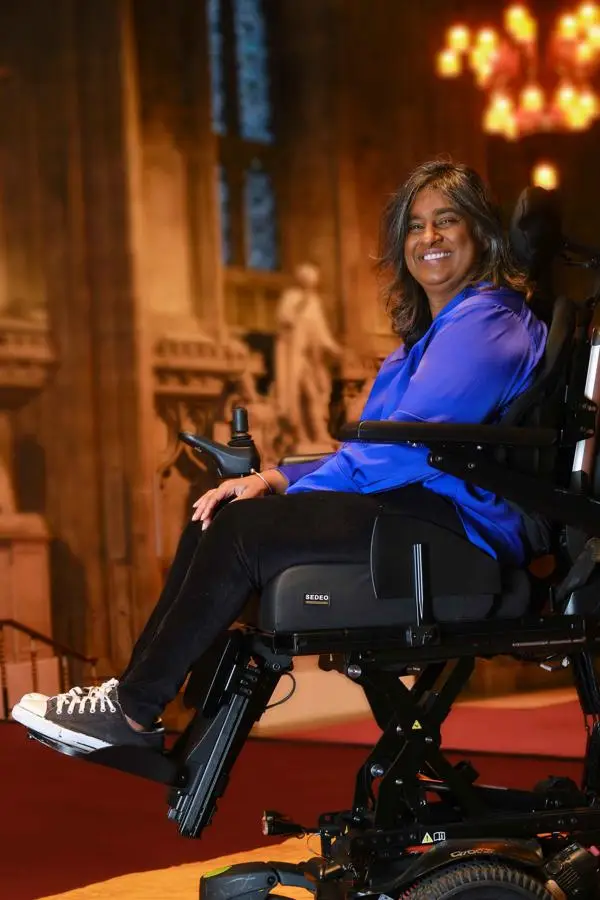
1. Why did you want to be involved in this photo shoot?
I think when the opportunity came, it just sounded very interesting to me, so it sort of peaked my interest - I didn’t really know much about it, and I’m very curious, so I always like to learn new things. I think it is important if we want change to happen that we are given the opportunity to be a part of it.
2. How did it make you feel to be involved in this photoshoot?
The project is about making our presence bigger than the two statues, and the people that they represent was one of the really lovely things. I liked the idea that goodness, light and brightness and that real normal people are in the photographs was interesting. It really stuck in my mind that we are bigger than their behaviour and the things that happened, so it is a way of bringing goodness and positivity into the present.
3. What would you have liked to have said to Beckford and Cass or those who facilitated their involvement in enslaving Africans if you could have done so when they were alive?
People are people and I think sometimes people find it easier to dehumanise others. I know this as a woman with a disability. I know what it is like to feel invisible. Growing up as a child having a disability, people saw you for the wrong reasons - they saw my wheelchair, but they didn’t see me as a person. So what I would say to them is, if you had seen the people [you enslaved] as human beings, maybe your views and actions might have been different. They might have opened their minds a little bit to look at these people differently.
4. Tell us about your outfit and the significance of the props that you used?
I don’t always choose bright colours - I thought, you need to be brave. I just saw this, and I only went into one shop - and I thought okay, the colour is beautiful. I just feel like I don’t look good in anything, but seeing some of the photos, our perceptions of ourselves are very different from how others see us. Everybody said this colour was nice. And I actually picked up my scarf, which is pink and the same blue, which I didn’t realise, by pure chance. Unfortunately I don’t really have anything from my Caribbean heritage. I am the point of difference. We need to be diverse and include everyone.
5. The Revealing the City's Past project is about reinterpreting these two statues in light of the fact that they are not being removed under the Government's 'retain and explain' directive. Do you think projects like this are important to you?
I think anything that raises awareness of something is good. And yes, in an ideal world, maybe they should be removed because they are a reminder. But also, maybe in one way, having the statue, there is a physical reminder to say, you know what, we don't want to repeat that. This person did that. In a way, it can focus your attention on a different way to remind us, because sometimes it's very easy for us to forget. This is a tangible, visual reminder when people come and visit the Guildhall of what happened, but we do not have to repeat those mistakes.
6. What do you hope the City of London Corporation does next to make their spaces more relevant and accessible to more people?
We were lucky to be part of an access group that has brought about change here. Hopefully that will encourage people to raise their awareness about things that they may not know about these statues.
We should never stop learning. For the next generation, they are going to have a different view, and they will hopefully carry the torch and the fire within them.
I think changes in society have to happen slowly. If you do it in a gentle and kind way, and you accept that not everybody has the same level of education or awareness. As long as it's evolving, and people are involved in choices to get consensus from different parts of society. It shouldn't just be down to a select few people who will have their biases. If we're always open, even if we don't agree, we should always try to be open, listen and understand someone else's perspective.
Guest interviews feature voices on topics relevant to our collections and public spaces. Guest interviews do not necessarily reflect the views of the City Corporation
Artwork ©Ayanna Sankara